
Furniture guide
5 minWhich waiting-room and reception chairs suit your visitor traffic?
How many seats your waiting area needs, when to use tandem beams, loose chairs, guest chairs or armchairs, and which materials survive heavy traffic and daily cleaning.
By the LuxaLine · Grupo ConstruMarket team · Updated
The short answer
Work out how many people wait at the same time at peak hour —visitors per hour × average wait in minutes ÷ 60— and add 20% headroom: 40 visitors an hour waiting 15 minutes means 10 people seated, so you need 12 seats. For heavy flow (clinics, banks, public services) use polypropylene tandem seating on a beam: it fixes the layout, cleans fast and handles continuous use. For low-volume executive receptions, guest chairs or armchairs. Always check the weight rating: in the waiting-seating catalogue there are models rated at 280 and 300 lb.
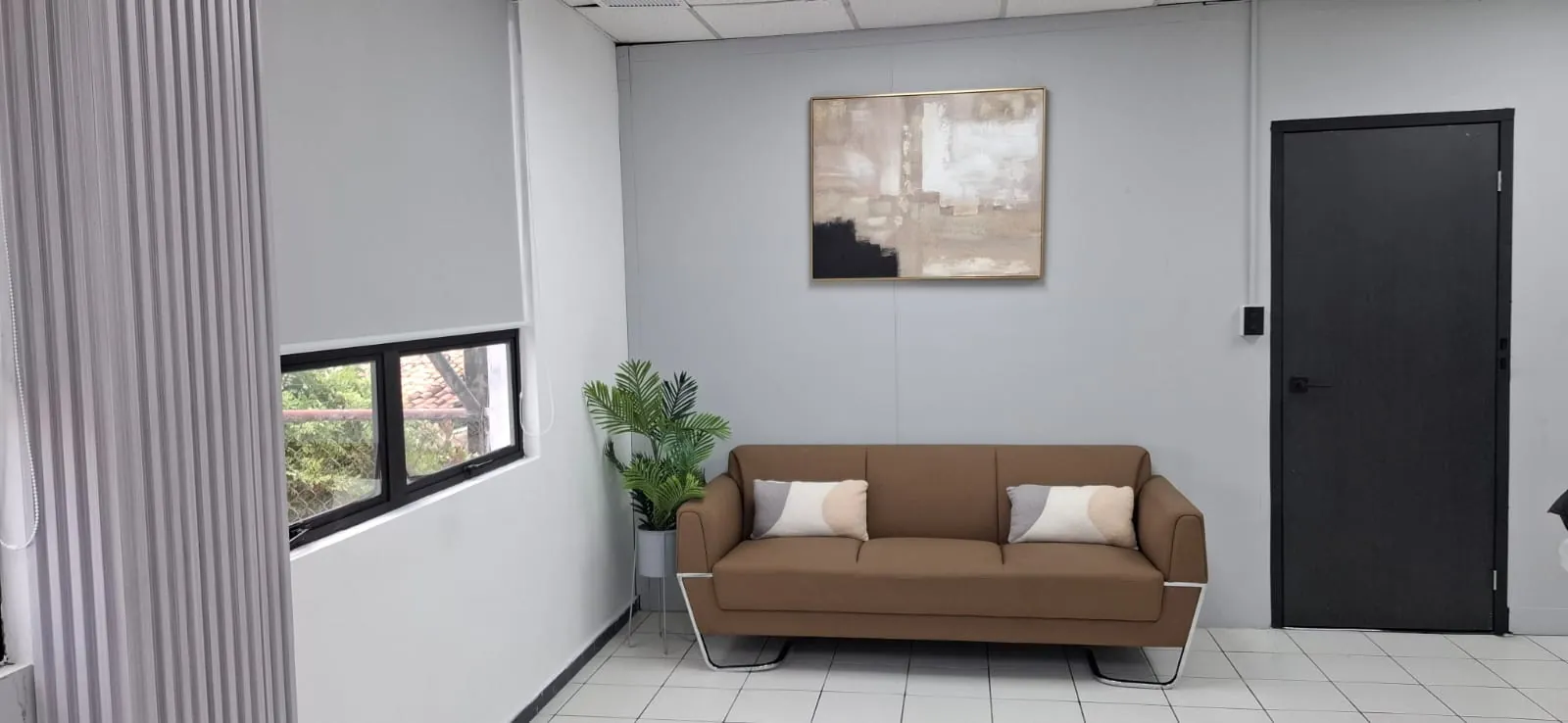
How many seats: count the peak, not the floor area
A waiting area is sized for the busiest hour of the day, not the average. Take the number of visitors in that hour and the average time each one waits; multiply and divide by 60 to get how many people are seated at once. Add 20% because arrivals aren't even and many people come with someone. If you work by appointment and waits are short, you can lower the headroom; if you use a ticket queue, raise it.
Also keep spaces without seats next to the rows for a wheelchair or a stroller, and keep the route to the counter clear.
Tandem, stacking, guest chair or armchair
See models: Aosta · Apila · Monaco · Turín.
| Type | Where it fits | In the catalogue |
|---|---|---|
| Tandem on a beam | Clinics, banks, public services, terminals: heavy flow and daily cleaning | Aosta: 3 seats in polypropylene on a beam frame |
| Stacking | Multipurpose rooms that are sometimes cleared or rearranged | Apila: polypropylene, 300 lb, SGS certified · Cuneo: with arms |
| Guest chair | In front of desks and low-volume executive waiting | Monaco: eco-leather, 300 lb · Turín: polypropylene with 30% glass fibre · Taipei: 280 lb |
| Armchair or sofa | Lobbies and receptions that express the brand | Armchairs and sofas in PU leather on a reinforced frame |
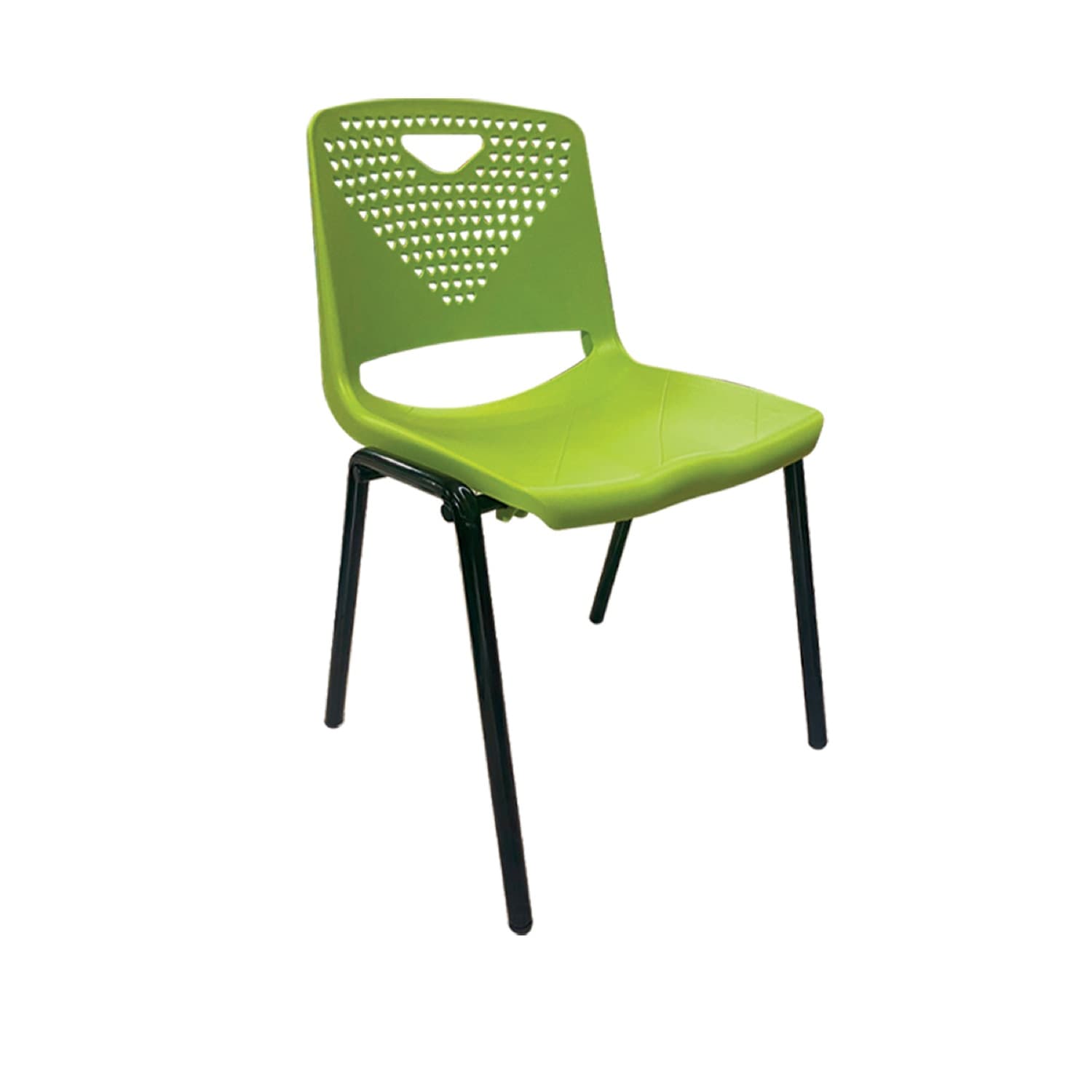
Material by use
Polypropylene is the high-traffic material: it washes with water and mild soap, doesn't absorb liquids and takes knocks. Eco-leather and PU wipe clean with a damp cloth and look more formal, but don't tolerate solvents or sharp objects. Mesh breathes, a good idea in warm climates and long waits. Upholstered fabric is the warmest and the hardest to maintain in a clinic or a payments counter: it absorbs stains and is hard to disinfect. For the care of each material, see the guide on maintenance.
Waiting-area ergonomics
In healthcare and services used by older people, include seats with arms: they help people stand up. Keep a standard seat height and avoid very low armchairs in high-traffic rows. If waits run over 20 minutes, think about a backrest with lumbar support —like the Vittori— and charging points near the seats; several models accept optional connectivity modules, confirmed per line.
Reception: the desk and the first impression
Reception is the first thing a visitor sees. A modular desk with a transaction ledge lets staff serve people standing or seated; the Fresno workstation is a modular reception desk with a ledge and a 10 mm glass front. Match shell and upholstery colours to your identity: several lines come in multiple colours, and we propose the combination from your brand guidelines. More ideas in receptions and waiting areas.
Common mistakes
Sizing by floor area
A big room with few chairs fills with people standing at peak hour. Size by simultaneous visitors, then arrange.
Light fabric in heavy traffic
It looks good for the first week. In clinics and service counters, polypropylene or eco-leather that wipe clean in seconds.
Armless rows for older visitors
Standing up without support is hard for many people. Mix seats with arms into every row.
Not checking the weight rating
A waiting chair takes anyone who sits down. Ask for the rating on the spec sheet: the catalogue has models rated at 280 and 300 lb.
Frequently asked questions
What works best for high-traffic waiting: tandem beams or loose chairs?
For heavy flow, tandem beams: they fix the layout, last longer and make cleaning easier. Loose chairs and armchairs work better for low-volume executive waiting.
How many chairs does a waiting room need?
Multiply peak-hour visitors by the average wait in minutes, divide by 60 and add 20%. With 40 visitors an hour and a 15-minute wait, 12 seats.
Which waiting-chair material is easiest to clean?
Polypropylene: it washes with water and mild soap and doesn't absorb liquids. Eco-leather and PU wipe clean with a damp cloth, no solvents.
How much weight can a waiting chair hold?
It depends on the model and should be on the spec sheet. In the LuxaLine catalogue, the Apila and the Monaco are rated at 300 lb and the Taipei at 280 lb.
Can I match the colours to my brand identity?
Yes, several lines offer shells and upholstery in multiple colours; we propose the combination based on your brand guidelines.
Where to see it in the catalogue
Come and try the pieces
LuxaLine furniture on display at ConstruMarket stores in El Salvador and Nicaragua. Book your visit: suggest a day and an advisor confirms the time.
Book your visitHow many visitors at peak hour?
With that number and a photo or plan of the area, we'll propose the seating type, quantities and layout.
An advisor gets back to you during business hours.